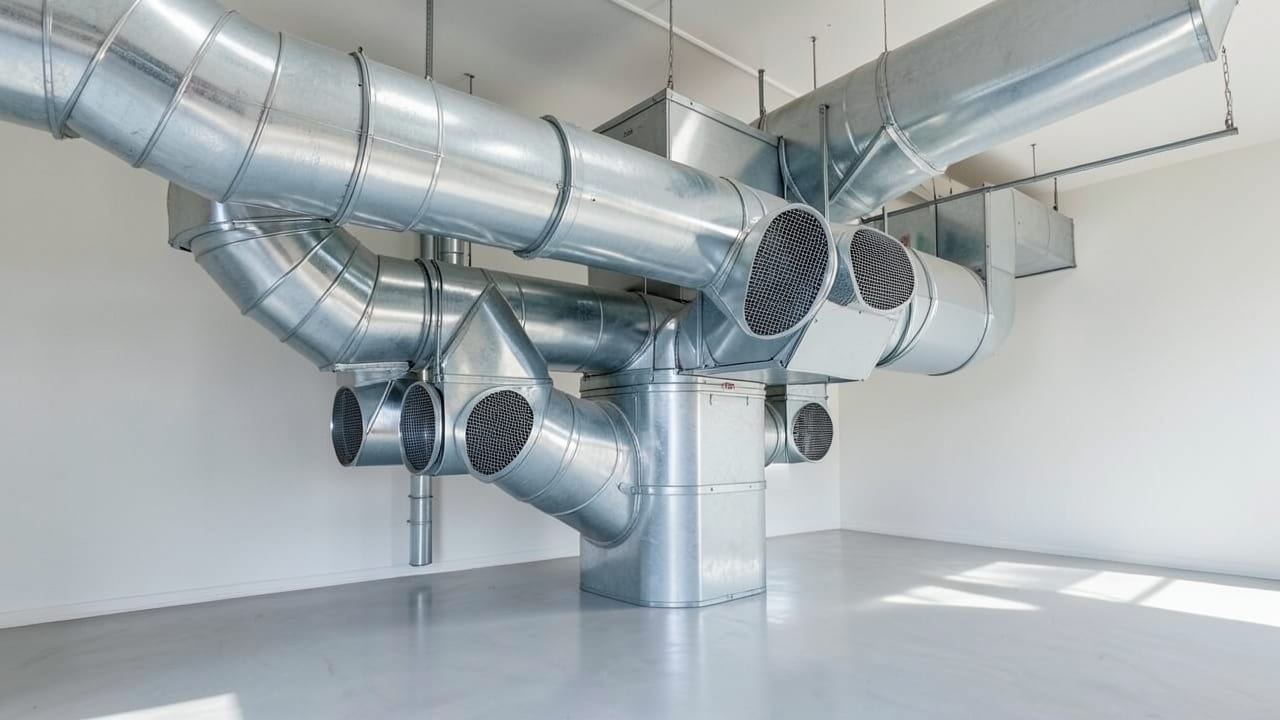
HVAC Mold Remediation
HVAC and ductwork mold remediation in Redington Shores, FL — mold growing inside the air handler or duct system, spreading through every vent.
HVAC mold remediation in Redington Shores, FL addresses mold growing inside ductwork or air handlers, which spreads spores throughout your home every time the system runs. Unlike surface mold, HVAC contamination requires professional containment, removal, and drying to prevent recurrence and protect indoor air quality.
When HVAC mold remediation is needed
Mold inside HVAC systems often shows subtle signs before visible growth appears. A musty smell that worsens when the system turns on, recurring mold in the same spot after cleaning, or visible black or greenish patches on ductwork or vents are key indicators.
We also handle Pest Infestation Mold Remediation and Storm Damage Mold Cleanup for Redington Shores properties.
Florida’s humid climate accelerates mold growth, making prompt action critical to prevent spread through your home’s air supply.
Rooms with poor airflow—like windowless bathrooms or closets—are common hotspots. If mold keeps returning in these areas, it’s likely hidden in ductwork or behind walls, where it circulates uncontrollably. Ignoring these signs can lead to larger infestations and health risks, especially for allergy or asthma sufferers.
Signs Your HVAC System Has Mold
- Musty odor that intensifies when the HVAC runs (indicates spores in ductwork).
- Visible mold on vents, registers, or air handler components (black, green, or brown).
- Recurring mold in the same spot after cleaning (suggests hidden moisture or reinfection).
- Allergy or respiratory symptoms worsening when the system is on (spores circulating).
- Condensation or water leaks near ductwork or the air handler (moisture source).
What affects cost and timeline
The scope of HVAC mold remediation varies based on contamination severity, system size, and accessibility. Removing mold from surface-level ductwork is less involved than accessing hidden sections behind walls or under floors, which may require demolition.
Florida’s licensing rules also require independent assessment before remediation, adding a step to the process.
Pricing reflects labor, materials, containment setup, and post-remediation testing. Black mold (Stachybotrys) typically costs more due to stricter handling protocols. While some jobs take a single day, larger or complex systems may require multiple days to fully contain, remove, and dry affected areas.
Why containment and testing matter
Containment prevents spores from spreading during removal. Plastic barriers and negative-air machines isolate the work area, ensuring disturbed spores stay confined. Without this, spores can drift into unaffected rooms, turning a small job into a full-house problem.
Post-remediation clearance testing—conducted by an independent lab—verifies spore levels return to safe ranges before containment is removed.
Skipping containment or testing risks incomplete removal. Mold hidden in ductwork or framing can regrow if moisture sources persist. Florida law prohibits the same company from assessing and remediating the same property within 12 months, ensuring unbiased testing and work.
Using non-HEPA vacuums or air scrubbers recirculates spores instead of capturing them. Paying upfront without a written scope leaves no recourse if work is incomplete. Signing a contract during the inspection visit may skip bid comparison opportunities.
How HVAC mold remediation works
This process isolates, removes, and treats mold in ductwork and air handlers to prevent spread.
- 1Containment Setup
Plastic sheeting and negative-air machines seal off the work area to trap spores during removal. All doors and vents are blocked, and airflow is redirected to prevent cross-contamination.
- 2Mold Removal
Porous materials (insulation, drywall) with deep mold growth are cut out and double-bagged. Non-porous surfaces (metal ducts, tile) are scrubbed with antimicrobial treatments and HEPA-vacuumed to remove spores.
- 3Structural Drying
Industrial dehumidifiers and air movers dry framing and subfloors to normal moisture levels (below 60% relative humidity) to prevent regrowth. Drying may take 24–72 hours depending on humidity.
- 4HEPA Cleanup
All surfaces are vacuumed with HEPA equipment, and air scrubbers run continuously to capture airborne spores. Containment remains until clearance testing confirms safe spore levels.
- 5Clearance Testing
An independent lab tests air or surfaces for mold spores. Results determine whether containment can be removed or additional treatment is needed.
Frequently asked questions
Can I clean HVAC mold myself?
Small, isolated patches on accessible ductwork *might* be cleaned with bleach or vinegar, but hidden mold in duct interiors or air handlers requires professional removal. Florida law mandates licensed remediation for growth exceeding 25 sq. ft., and DIY methods often miss spores deep in materials.
How do I know if my musty smell is from HVAC mold?
A musty odor that worsens when the HVAC runs strongly suggests ductwork contamination. If the smell persists after cleaning vents or replacing filters, mold is likely hidden in less accessible areas. Testing duct air quality can confirm the source.
Will fixing the moisture source stop mold from returning?
Addressing leaks, condensation, or grading issues is critical—mold regrows if moisture persists. However, hidden moisture (e.g., trapped in walls) may require professional inspection to fully resolve. Post-remediation humidity checks help monitor recurrence.
Do I need to replace my entire HVAC system after mold remediation?
Not usually. If the system is structurally sound and properly cleaned, it can be reused. However, severely contaminated components (like air handlers) may need replacement. A post-remediation inspection by a licensed HVAC technician can assess this.
Where Redington Shores sits, and what the Census lists nearby
Redington Shores sits in Florida, and the closest places listed in the U.S. Census Gazetteer are North Redington Beach (1 miles southeast), Indian Shores (1.6 miles northwest), Redington Beach (2 miles southeast), Seminole (3 miles east).
Within 25 miles of Redington Shores the same source lists 45 distinct incorporated places and census-designated places.
Those figures matter for hvac mold remediation because they are straight-line distances between Census coordinate points: road mileage between Redington Shores and North Redington Beach runs longer than the 1 miles shown, which is why quotes for the same job differ between towns that look close together on a map.
Source: U.S. Census Bureau Gazetteer.
See Treasure Island, FL for more, or browse every option available in Redington Shores side by side for our complete lineup.
Ready to get started?
Talk to a local mold remediation pro in Redington Shores — get a written quote.
Other Mold Remediation Services in Redington Shores
Pest Infestation Mold Remediation in Redington Shores, FL
Professional mold removal and remediation for pest-related infestations in homes.
Learn More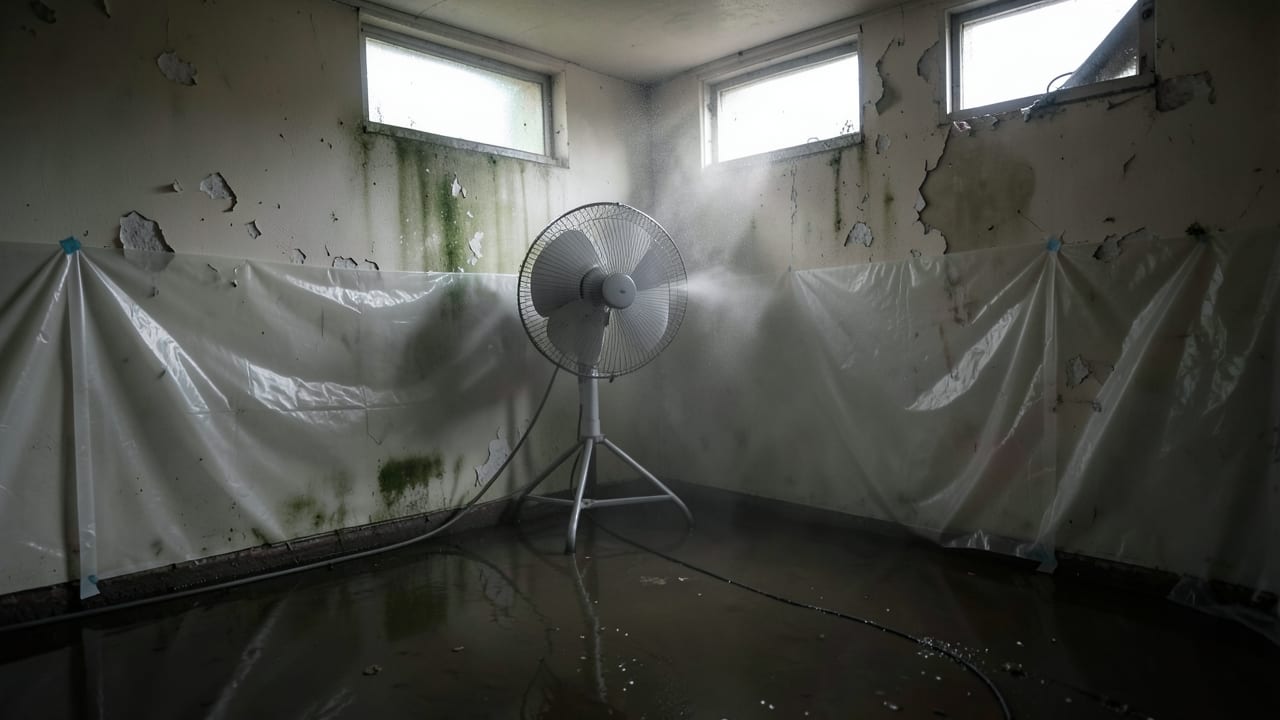
Storm Damage Mold Cleanup in Redington Shores, FL
Professional cleanup and remediation of mold caused by storm-related water damage in homes.
Learn More
Spring Mold Inspection in Redington Shores, FL
Professional assessment and identification of mold growth in homes.
Learn More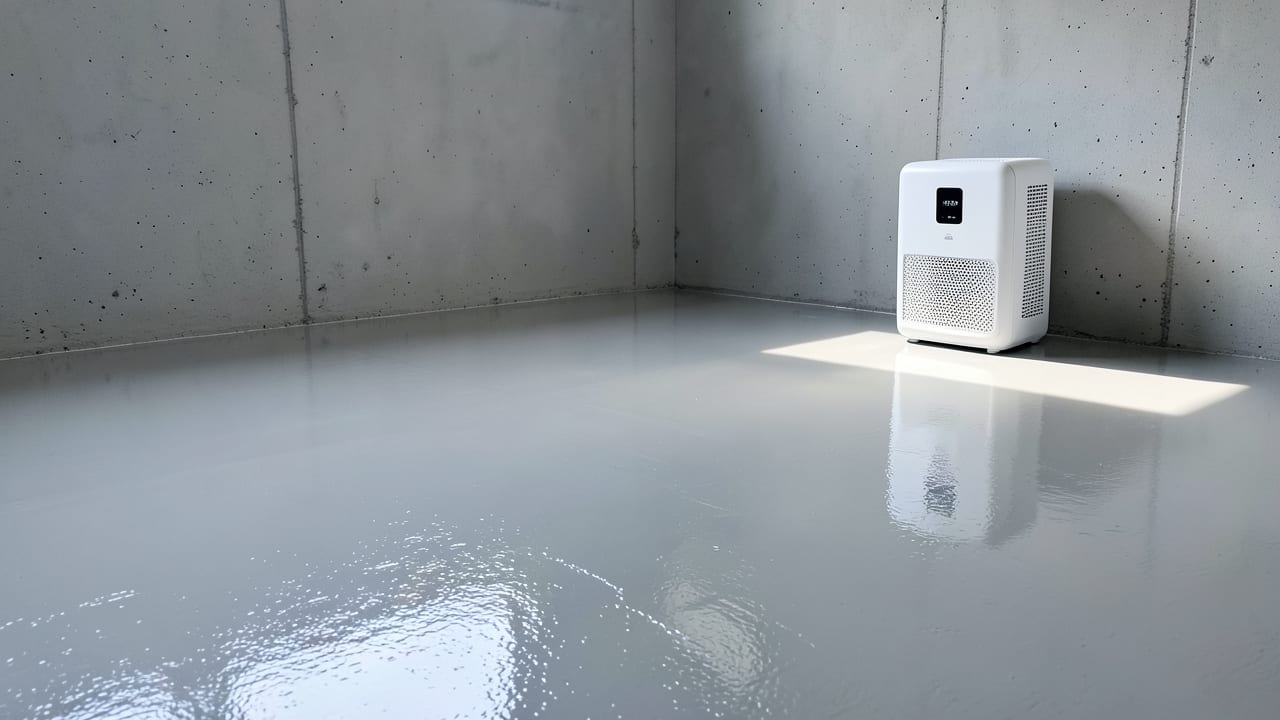
Post-Remediation Sealing in Redington Shores, FL
Applying protective sealants to surfaces after mold remediation to prevent future growth.
Learn More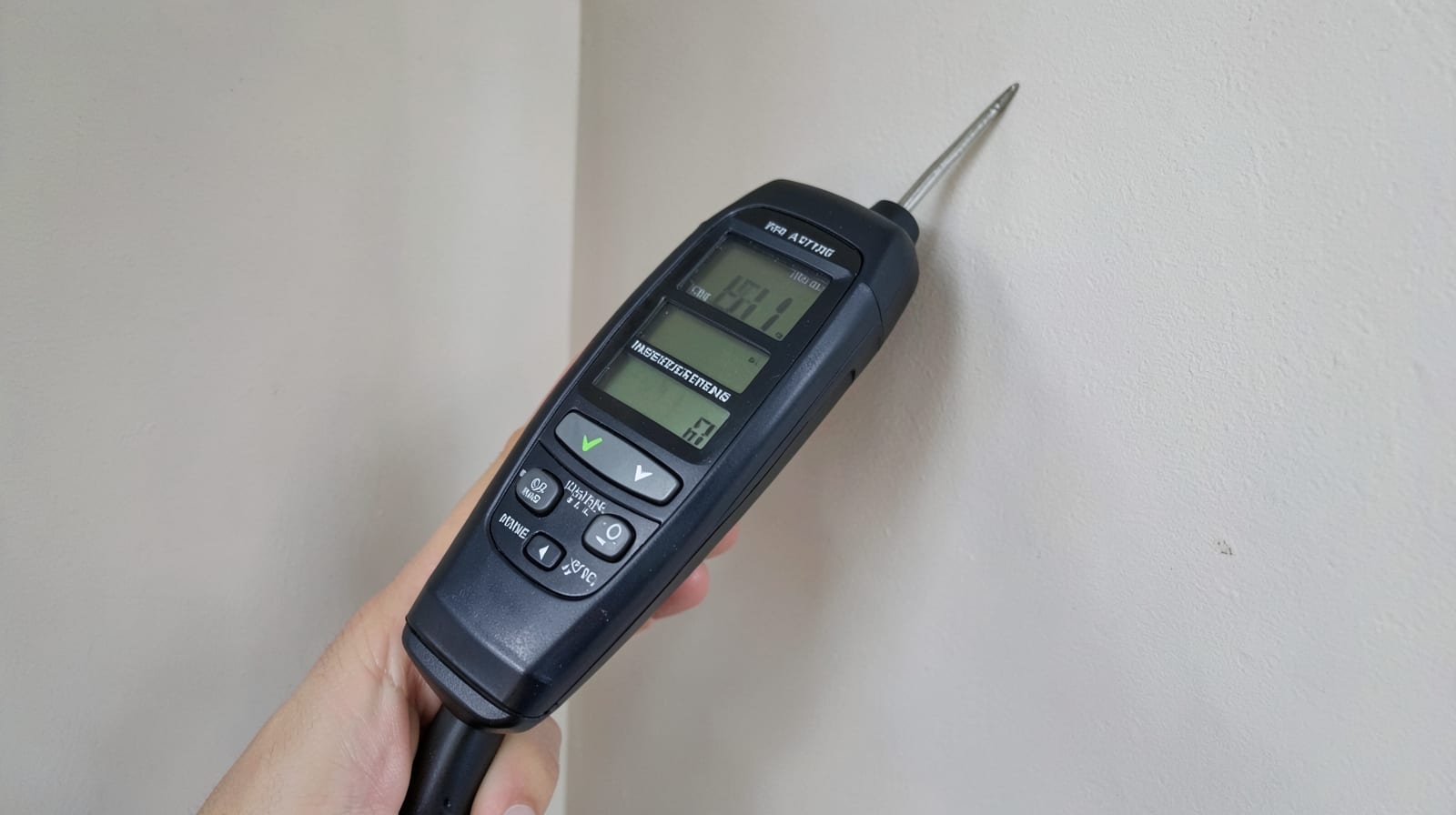
Mold Inspection in Redington Shores, FL
Mold inspection in Redington Shores, FL — a visual and moisture-meter assessment that finds the source of growth, not just the visible spot on the wall.
Learn More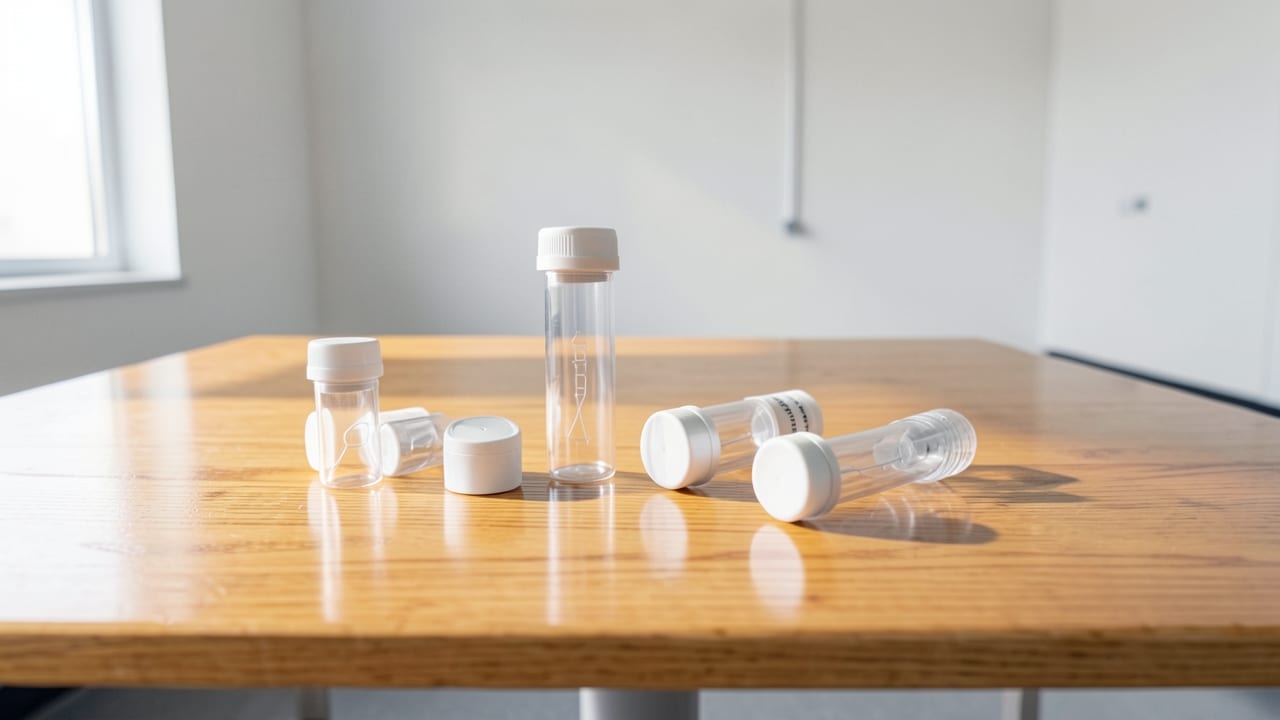
Mold Testing & Air Quality Testing in Redington Shores, FL
Mold and indoor air quality testing in Redington Shores, FL — lab-analyzed air and surface samples confirm what's actually growing and whether it's airborne.
Learn MoreCommon Questions About Mold Remediation in Redington Shores
Everything you need to know about mold remediation services in Redington Shores
How much does HVAC Mold Remediation typically cost in Redington Shores, FL?
Why does Redington Shores, FL's humidity make mold a bigger risk than in drier regions?
How does mold remediation actually prevent the problem from coming back?
Can mold growing inside HVAC ductwork spread to the rest of a home?
Does mold mean the same thing as mildew?
Does homeowners insurance typically cover mold remediation?
Need Mold Remediation in Redington Shores?
Connect with local providers in Redington Shores for a detailed quote.
⏰ We answer your call • Serving all of Redington Shores and surrounding areas