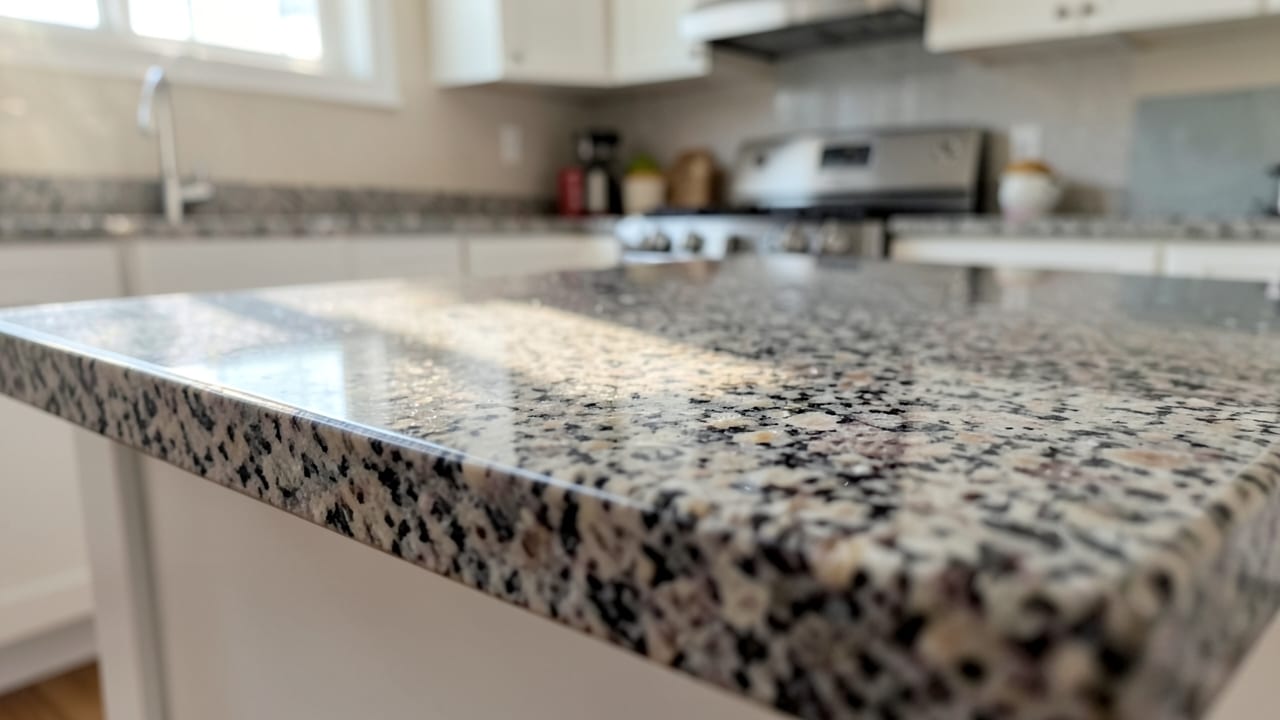
Stone Countertop Mold Removal
Professional removal of mold from stone countertops using specialized cleaning and treatment methods.
Stone countertop mold removal in Redington Shores, FL targets fungal growth on natural or engineered stone surfaces like granite, marble, or quartz. The process involves deep cleaning with mold-specific solutions while protecting the home from airborne spores during treatment.
Proper handling ensures the finish remains intact while eliminating mold and preventing regrowth.
We also handle Tile & Grout Mold Cleanup and Metal Ductwork Mold Remediation for Redington Shores properties.
When stone countertop mold removal is needed
Mold on stone countertops often starts as small, discolored spots but can spread quickly if left untreated. Visible signs include dark streaks, black or green patches, or a musty odor near the surface.
If mold covers more than a small, isolated area—such as patches larger than 25 square feet—or keeps returning after cleaning, professional remediation is typically recommended.
Hidden mold in stone countertops may not be visible but can still cause musty smells, especially when the HVAC system runs.
If you notice persistent dampness under or around the countertop, or if the mold appears to be growing deeper into the material, it’s a sign that the issue may require deeper intervention to address moisture sources and prevent recurrence.
Signs You Need Professional Mold Removal on Stone Countertops
- Mold covers more than a small, isolated patch (e.g., over 25 square feet).
- Mold returns to the same spot after cleaning, suggesting an unresolved moisture issue.
- A musty smell persists near the countertop, even when no visible mold is present.
- The stone surface feels damp or sticky, indicating hidden moisture feeding mold growth.
- Mold appears to be growing deeper into the stone rather than just on the surface.
What affects pricing and timing?
Pricing for stone countertop mold removal in Redington Shores varies based on the size of the affected area, the type of stone, and the extent of the mold growth. Unlike flat-rate services, this work is typically quoted after an inspection, as the scope can change once containment and testing begin.
Specialty treatments, such as resealing or refinishing, may also impact the final cost.
Timing depends on containment setup, the need for structural drying, and clearance testing. Jobs that uncover hidden moisture sources or require additional work—such as fixing leaks or improving airflow—may take longer to complete. Most projects are finished in one to three days, but complex cases could extend beyond that.
| Factor | Impact on Pricing/Timing |
|---|---|
| Size of affected area | Larger patches or multiple surfaces increase labor and material costs. |
| Type of stone (granite, marble, quartz) | Porous stones like marble may require more careful handling than engineered quartz. |
| Hidden moisture sources | Uncovering leaks or dampness behind walls can add time and cost for repairs. |
| Need for specialty treatments | Resealing, refinishing, or odor treatments may require additional materials or subcontractors. |
| Clearance testing requirements | Independent lab testing after remediation may add to the final cost. |
Why containment and testing matter
Containment prevents mold spores from spreading to other areas of the home during removal. Plastic sheeting and negative-air machines seal off the work area, ensuring spores stay contained rather than drifting through hallways or HVAC systems. Skipping this step can turn a small job into a much larger contamination issue.
Clearance testing confirms that mold levels return to normal after remediation. An independent lab collects air or surface samples to verify that spores are no longer present. Without this step, there’s no way to confirm whether the mold has been fully addressed.
A torn plastic barrier, an open door, or improper negative air pressure lets spores escape containment, potentially contaminating unaffected areas of the home. Always ensure the remediation crew maintains proper containment to avoid turning a small job into a larger problem.
How stone countertop mold removal works
This process involves containment, deep cleaning, and testing to ensure mold is fully addressed while protecting the home.
- 1Containment Setup
Plastic sheeting and negative-air machines seal off the work area to prevent spores from spreading. This step ensures that any spores stirred up during removal stay contained rather than drifting into other parts of the home.
- 2Deep Cleaning with Mold-Specific Solutions
Non-porous stone surfaces are scrubbed with mold-killing solutions designed to eliminate spores without damaging the finish. Porous materials, if present, may require additional treatment or replacement to prevent regrowth.
- 3HEPA Filtration and Structural Drying
HEPA-filtered air scrubbers and vacuums capture spores during removal, while industrial dehumidifiers and air movers dry out framing and subfloors to prevent future mold growth. This step is critical for addressing hidden moisture.
- 4Clearance Testing
An independent lab collects air or surface samples to confirm mold levels return to normal. This step ensures the remediation was effective and the home is safe before containment is removed.
- 5Moisture Source Resolution
Fixing leaks, improving airflow, or adjusting grading outside the home helps prevent mold from returning. This step is intended to help the finish last longer by addressing the root cause.
Frequently asked questions
Can I clean mold off my stone countertop myself?
Small, isolated patches can sometimes be cleaned with vinegar or a commercial stone-safe mold cleaner. However, if the mold covers more than a small area, keeps returning, or is hidden beneath the surface, professional remediation is recommended to ensure it’s fully addressed and doesn’t spread.
How do I know if my stone countertop mold is serious enough for professional help?
If the mold covers more than 25 square feet, returns after cleaning, or you notice a musty smell without visible growth, it’s likely time for professional intervention. Hidden moisture or recurring issues also signal the need for deeper inspection and treatment.
Will my stone countertop be damaged during mold removal?
Professional remediation uses solutions and techniques designed to clean stone surfaces without causing damage. However, porous stones like marble may require extra care, and some finishes could need resealing afterward to restore protection.
How long does it take to remove mold from stone countertops?
Most projects are completed in one to three days, depending on the size of the affected area and whether additional work—such as fixing leaks or improving airflow—is needed. Containment, drying, and testing can extend the timeline for more complex cases.
Where Redington Shores sits, and what the Census lists nearby
Redington Shores sits in Florida, and the closest places listed in the U.S. Census Gazetteer are North Redington Beach (1 miles southeast), Indian Shores (1.6 miles northwest), Redington Beach (2 miles southeast), Seminole (3 miles east).
Within 25 miles of Redington Shores the same source lists 45 distinct incorporated places and census-designated places.
Those figures matter for stone countertop mold removal because they are straight-line distances between Census coordinate points: road mileage between Redington Shores and North Redington Beach runs longer than the 1 miles shown, which is why quotes for the same job differ between towns that look close together on a map.
Source: U.S. Census Bureau Gazetteer.
See Harbor Bluffs, FL for more, or take a look at everything on offer in Redington Shores before booking for our complete lineup.
Ready to get started?
Talk to a local mold remediation pro in Redington Shores — get a written quote.
Other Mold Remediation Services in Redington Shores
Tile & Grout Mold Cleanup in Redington Shores, FL
Professional removal of mold from tile and grout surfaces in bathrooms, kitchens, and other tiled areas.
Learn More
Metal Ductwork Mold Remediation in Redington Shores, FL
Professional removal of mold from metal ductwork to restore indoor air quality.
Learn More
Brick Masonry Mold Treatment in Redington Shores, FL
Professional mold treatment and removal from brick masonry to restore structural integrity and indoor air quality.
Learn More
Sunroom Mold Remediation in Redington Shores, FL
Professional removal and treatment of mold in sunrooms to restore a safe, clean space.
Learn More
Pantry Mold Treatment in Redington Shores, FL
Professional assessment and removal of mold in pantry areas to restore a safe, clean space.
Learn More
Hallway Mold Remediation in Redington Shores, FL
Professional removal and treatment of mold growth in residential hallways.
Learn MoreCommon Questions About Mold Remediation in Redington Shores
Everything you need to know about mold remediation services in Redington Shores
How much does Stone Countertop Mold Removal typically cost in Redington Shores, FL?
Why does Redington Shores, FL's humidity make mold a bigger risk than in drier regions?
Is it safe to stay in the home during mold remediation?
Can small mold problems be handled without hiring anyone?
What's the actual difference between mold removal and mold remediation?
Is a final clearance test part of a typical mold remediation job?
Need Mold Remediation in Redington Shores?
Connect with local providers in Redington Shores for a detailed quote.
⏰ We answer your call • Serving all of Redington Shores and surrounding areas